This lecture will be held in English. / Dieser Vortrag wird auf Englisch gehalten.
We all have a list we will never get to but really want to. The infrastructure someone left in a state that'll take a day to untangle. Toil that's always urgent, never prioritised, and deeply unsexy.
AI agents are built for this work. Not because they're smarter than you, but because they don't get bored, they don't skip steps, and they can hold the state of a hundred resources in context while methodically working through each one.
Most teams get this wrong from the start: pointing an agent at infrastructure with raw API access and hoping for the best. That's not engineering. That's gambling. You wouldn't hand a new hire root access on their first day. Don't do it with an agent either.
Add guardrails that encode how your infrastructure works, what operations are safe, what order things need to happen in — and the agent becomes predictable. Deterministic output from a probabilistic system. Those same guardrails solve another problem too. Your most critical systems knowledge lives in the heads of one or two people. When they leave, that knowledge goes with them. Encode it in guardrails that agents can execute and the bus factor drops to zero. Anyone on the team can operate systems they've never touched, because the guardrails know what the human used to.
Real demos, real infrastructure, real failures. This talk shows how SREs and platform engineers can pair with AI agents to tackle the work that's been rotting in the backlog — and why the SRE skill set is exactly what agents need.
Jensen Huang made the point that when AI entered radiology, demand for radiologists went up, not down. The same thing is about to happen to SREs. Agents handle the toil. You focus on the work that actually needs a human. You're not being replaced. You're being empowered.
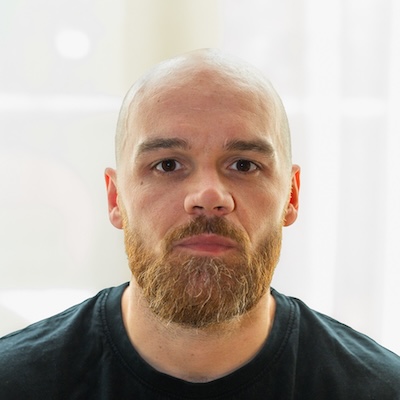 Paul Stack
is an infrastructure coder and has spoken at various events throughout the world about his passion for continuous integration, continuous delivery and good operational procedures and why they should be part of what developers and system administrators do on a day to day basis. He is Co-founder and VP Product at Swamp Club and he believes that reliably delivering software is more important as its development. Paul’s passions are the DevOps and Continuous Delivery movements and how they help the entire business and its customers.
Paul Stack
is an infrastructure coder and has spoken at various events throughout the world about his passion for continuous integration, continuous delivery and good operational procedures and why they should be part of what developers and system administrators do on a day to day basis. He is Co-founder and VP Product at Swamp Club and he believes that reliably delivering software is more important as its development. Paul’s passions are the DevOps and Continuous Delivery movements and how they help the entire business and its customers.